non woven tissue
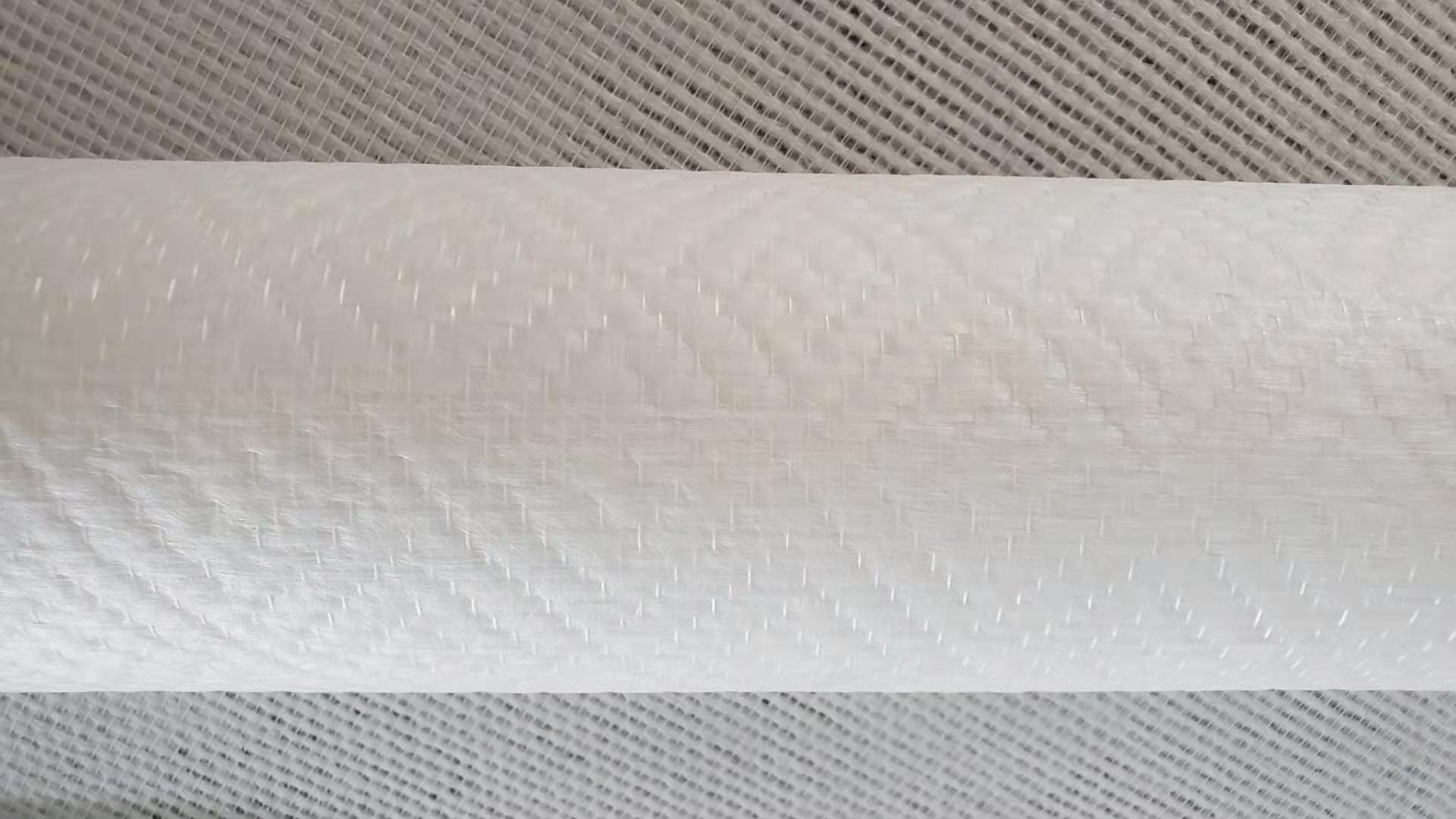
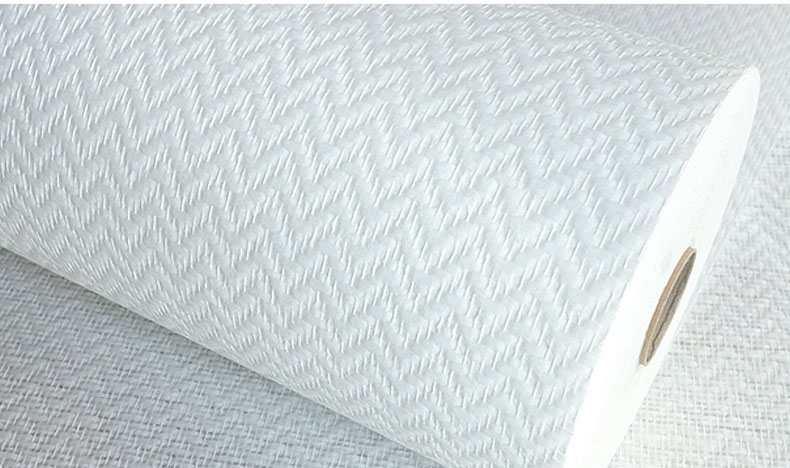
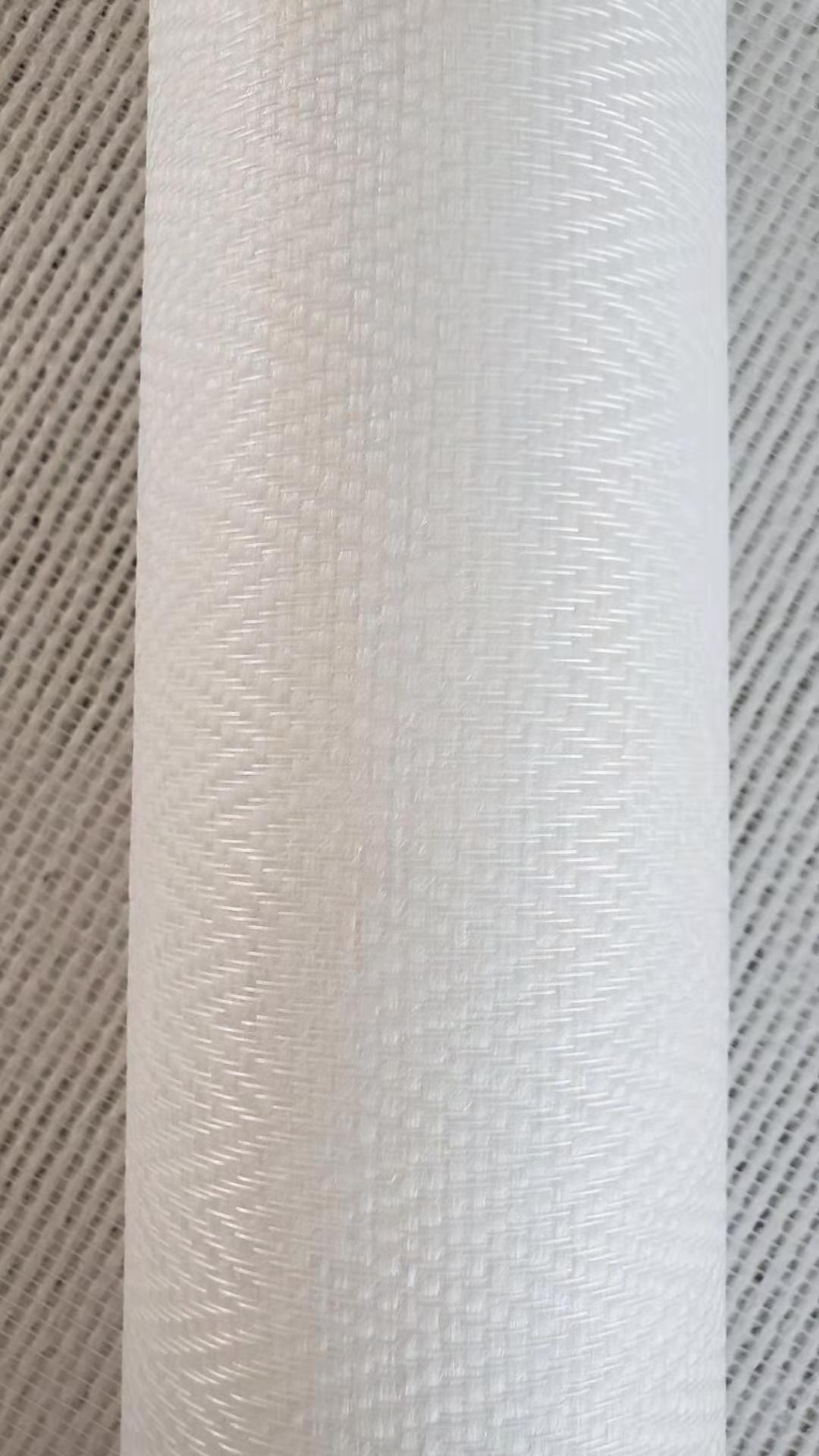
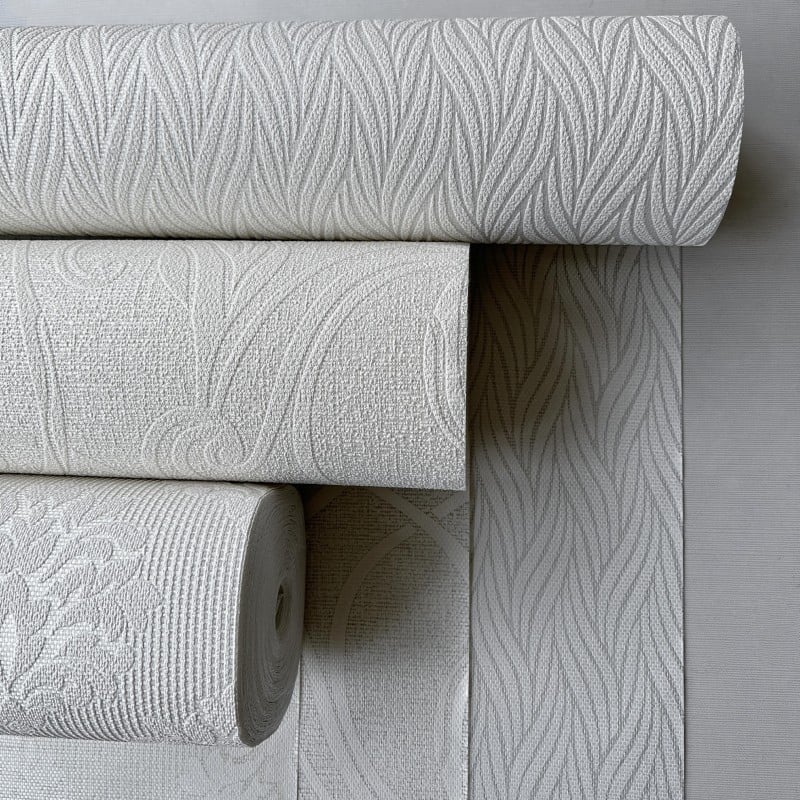
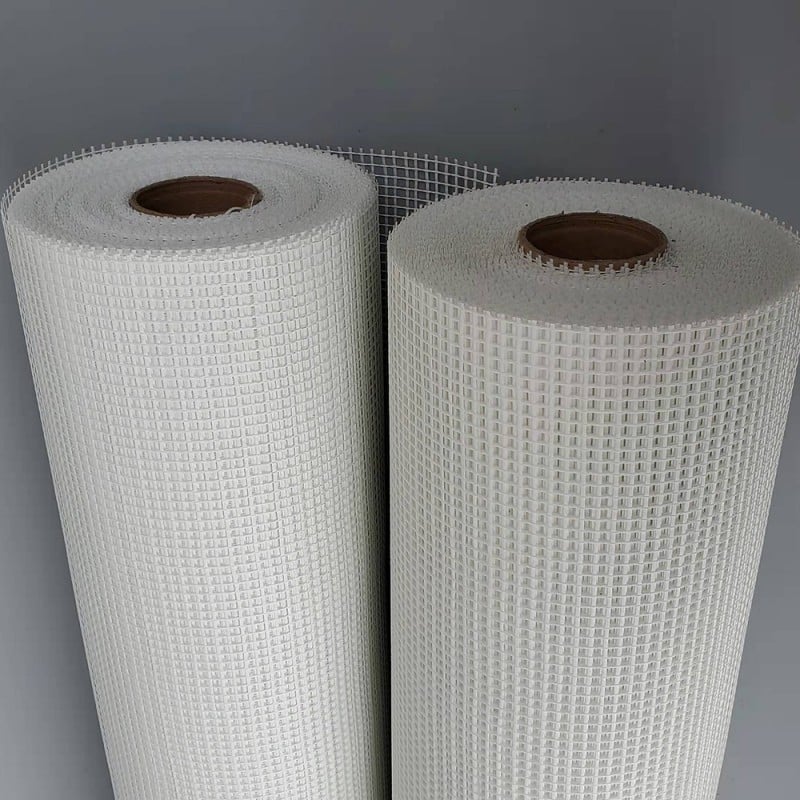
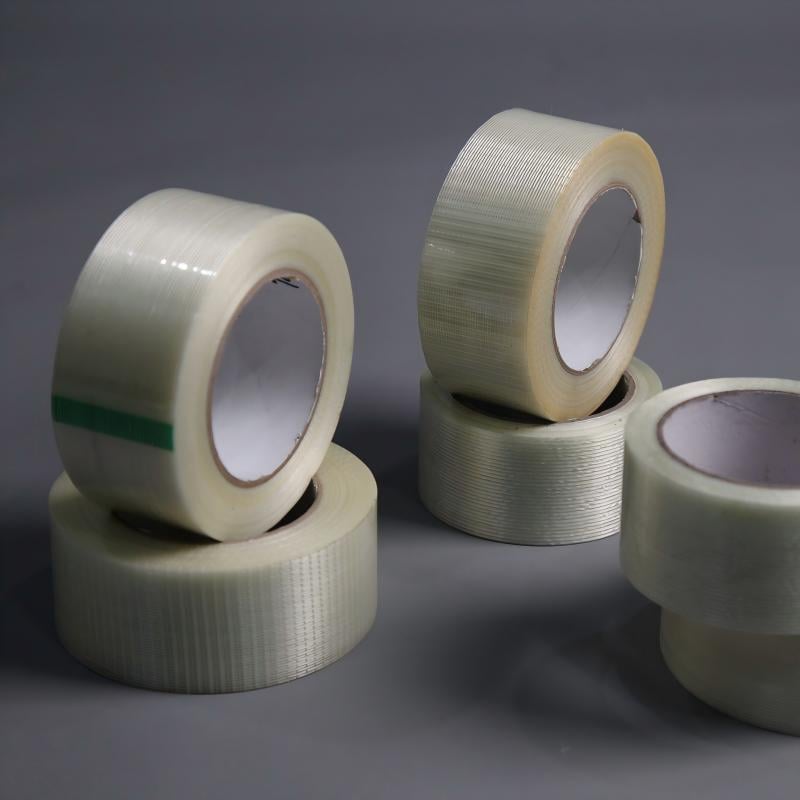
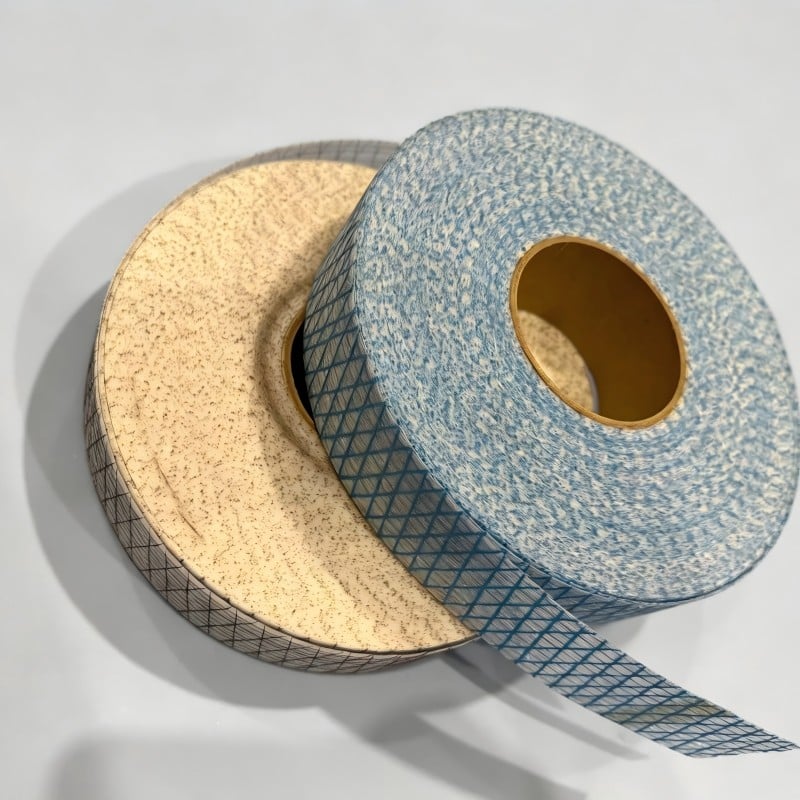
Non woven tissue represents a modern advancement in material science, created through bonding fibers together without traditional weaving or knitting processes. This innovative non woven tissue manufacturing technique produces a versatile fabric with exceptional strength and durability. Non woven tissue is engineered to meet diverse industrial and consumer needs through specialized production methods that compress fibers using heat, pressure, or chemical adhesives.
The primary functions of non woven tissue include providing filtration, absorption, insulation, and structural support across numerous applications. Non woven tissue excels in moisture management, making it ideal for hygiene products, medical supplies, and industrial filtration systems. The technological features of non woven tissue include consistent thickness, uniform porosity, and customizable fiber composition to match specific performance requirements.
Non woven tissue applications span healthcare, automotive, agriculture, and personal care industries. In medical settings, non woven tissue serves as a critical component in surgical masks, gowns, and sterilization wraps. The automotive sector utilizes non woven tissue for sound dampening and thermal insulation. Agricultural applications include crop protection and soil stabilization. Non woven tissue manufacturing offers cost-effective production compared to traditional textiles while maintaining superior performance characteristics. The flexibility of non woven tissue design allows manufacturers to adjust fiber size, density, and composition to achieve desired properties. This adaptability makes non woven tissue an increasingly popular choice for innovation-focused companies seeking reliable material solutions.