Glass Fiber Mesh Fabric Guide

glass fiber mesh fabric

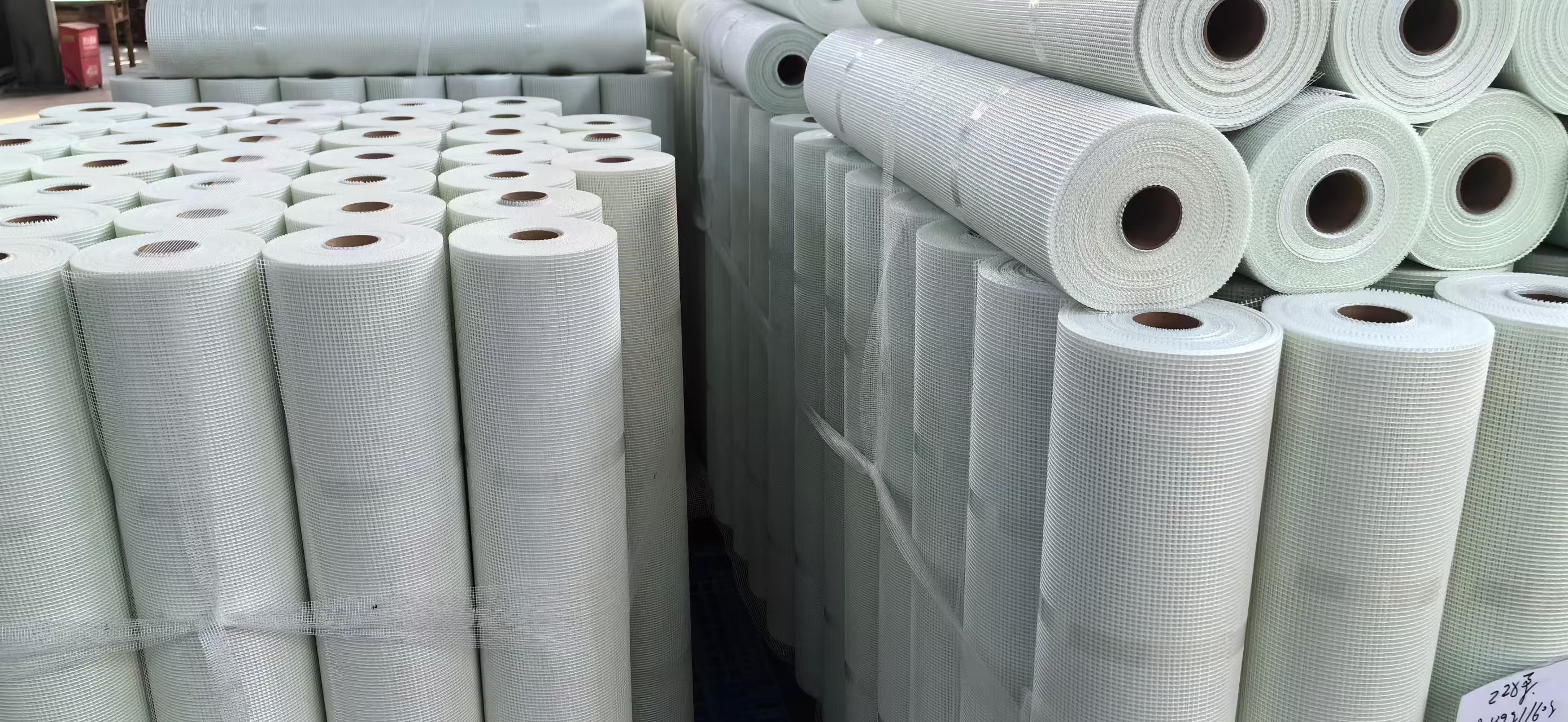
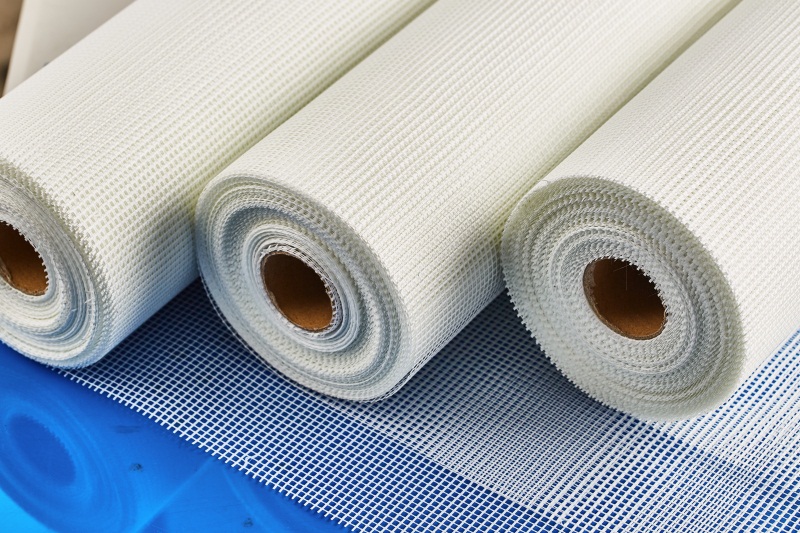
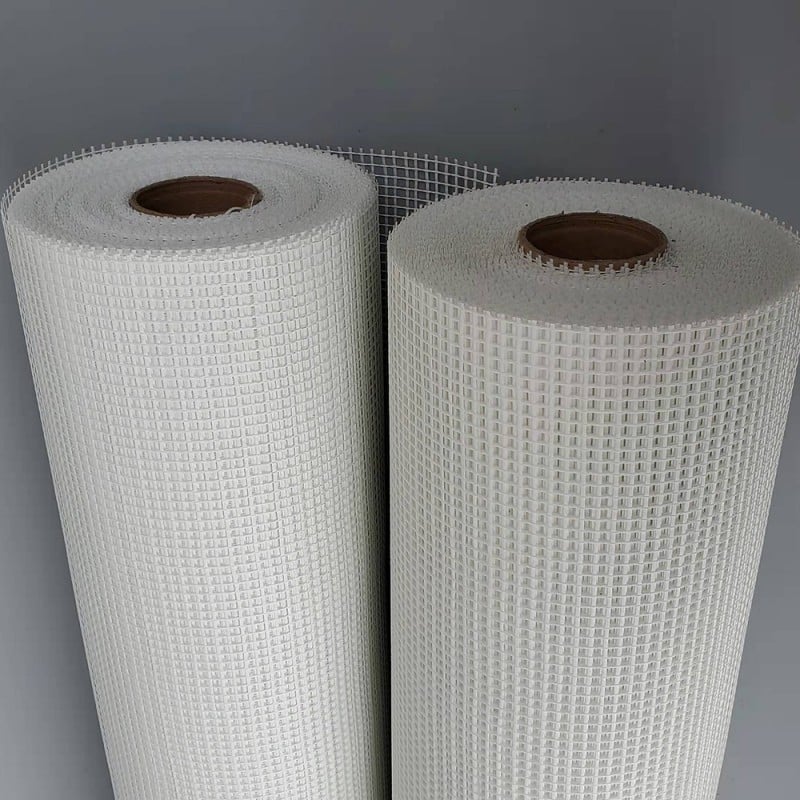
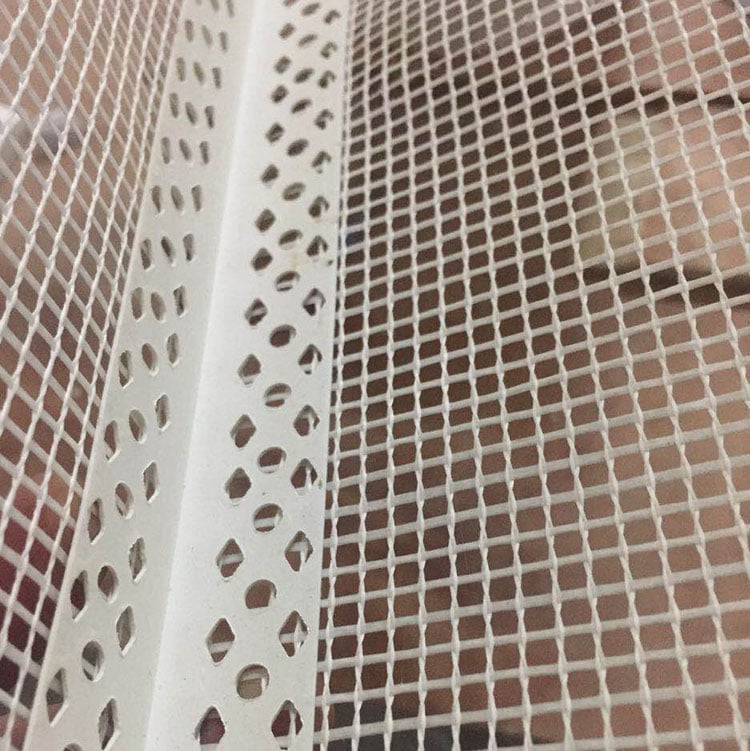
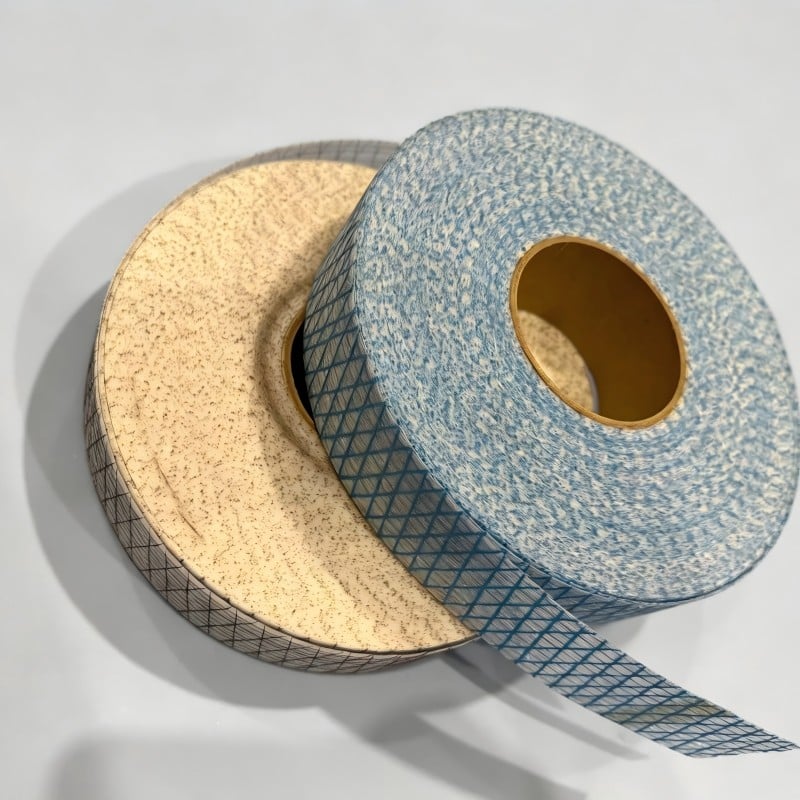
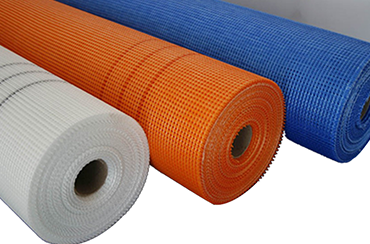
Glass fiber mesh fabric represents a versatile and durable material engineered for multiple industrial and commercial applications. This advanced composite material combines glass fibers with a mesh weave structure, creating a product that delivers exceptional strength while maintaining flexibility. Glass fiber mesh fabric serves as a fundamental component in construction, manufacturing, and reinforcement projects across various industries. The primary function of glass fiber mesh fabric involves providing structural reinforcement to composite materials, concrete, and other substrates. The material distributes stress evenly across surfaces, preventing cracks and extending the lifespan of finished products. Glass fiber mesh fabric excels in thermal resistance and chemical stability, making it suitable for demanding environments. Technologically, glass fiber mesh fabric features a tight weave pattern that maximizes surface contact and adhesion with binding agents. The fibers undergo specialized treatment to enhance compatibility with resins, polymers, and concrete mixtures. This technological advancement ensures superior bonding and load-bearing capacity. Applications of glass fiber mesh fabric span concrete reinforcement, wall insulation systems, roofing underlayment, and industrial filtration. The material finds extensive use in construction for crack prevention and structural integrity enhancement. Glass fiber mesh fabric also supports composite manufacturing, aerospace components, and automotive applications where lightweight strength proves essential. Its chemical resistance makes it ideal for corrosive environments, while its fire-retardant properties satisfy safety requirements in commercial installations.
New Product Releases

Glass fiber mesh fabric delivers remarkable practical benefits that make it an excellent choice for professionals and businesses seeking reliable reinforcement solutions. The primary advantage lies in its exceptional durability, as glass fiber mesh fabric resists moisture, chemicals, and UV exposure far better than traditional materials. This resistance translates to longer-lasting installations and reduced maintenance costs over time. Operational benefits of glass fiber mesh fabric include easy installation and straightforward handling. Contractors appreciate its lightweight nature, which reduces labor requirements and accelerates project timelines. The material cuts cleanly and conforms to irregular surfaces, providing flexibility that standard reinforcement options cannot match. Glass fiber mesh fabric integrates seamlessly with common construction materials, including concrete, mortar, and epoxy compounds. For application suitability, glass fiber mesh fabric performs exceptionally across diverse industries. In construction, it prevents crack propagation and enhances structural stability. Manufacturing facilities depend on glass fiber mesh fabric for creating high-strength composite components with minimal weight. The material's thermal properties make it valuable for insulation systems, while its chemical stability suits industrial environments requiring corrosion resistance. From a decision-useful perspective, glass fiber mesh fabric provides superior value compared to alternative reinforcement materials. Its cost-effectiveness combines with performance reliability, offering businesses significant return on investment. The material eliminates common problems associated with conventional reinforcement, including rust development, brittleness, and degradation. Users experience fewer failures, faster project completion, and enhanced end-product quality. Glass fiber mesh fabric enables companies to deliver superior results while maintaining competitive pricing structures.

Practical Tips

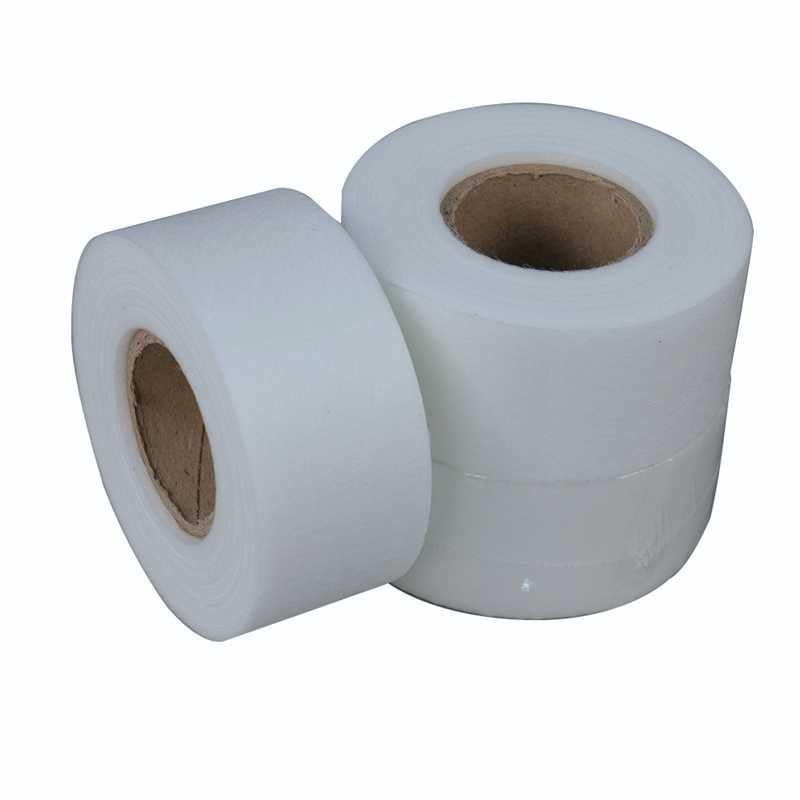
Sinpro Fiberglass Welcomed Their Key Turkish Client For Fiberglass Mesh

18

Aug

Sinpro Fiberglass Welcomed Their Key Turkish Client For Fiberglass Mesh

View More
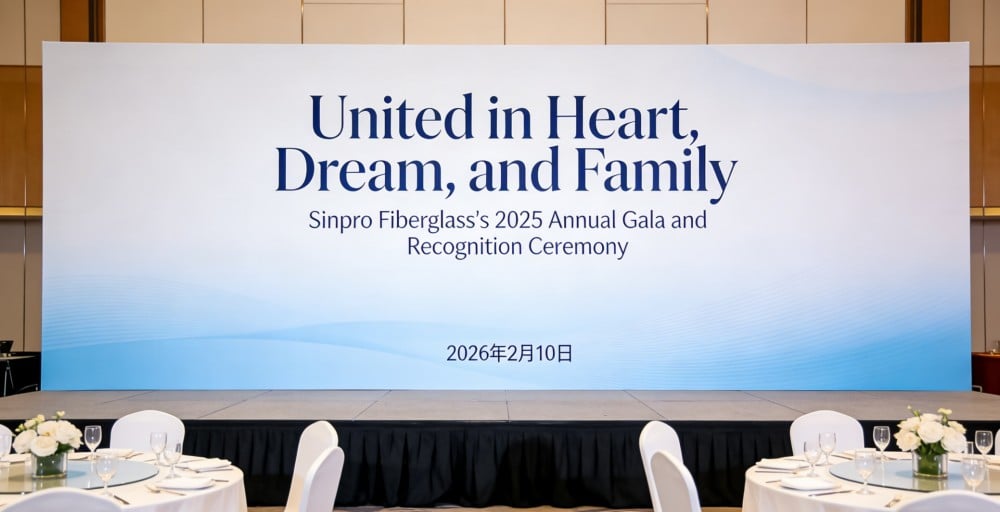
United in Heart, Dream, and Family – Sinpro Fiberglass's 2025 Annual Gala and Recognition Ceremony

18

Aug

United in Heart, Dream, and Family – Sinpro Fiberglass's 2025 Annual Gala and Recognition Ceremony

View More
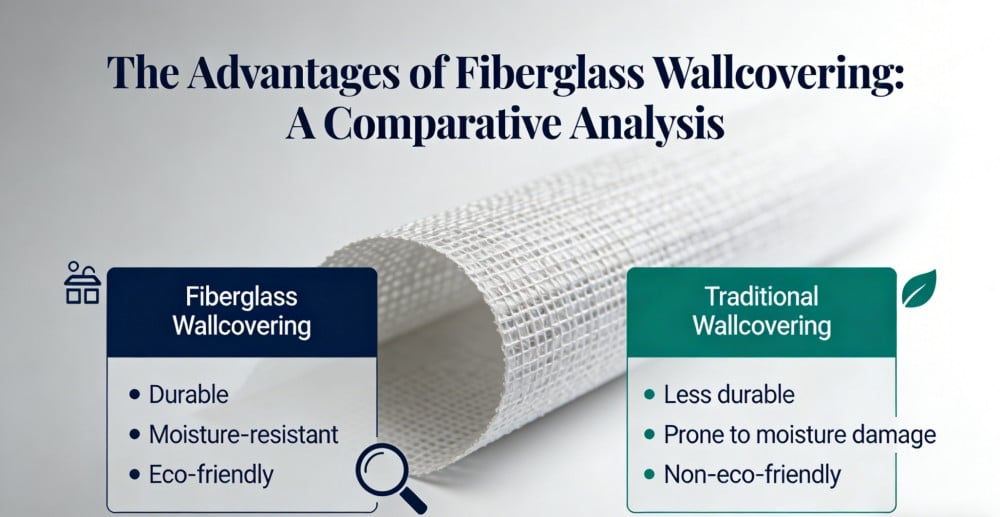
The Advantages of Fiberglass Wallcovering: A Comparative Analysis

18

Aug

The Advantages of Fiberglass Wallcovering: A Comparative Analysis

View More

Get a Free Quote

Our representative will contact you soon.
Email
Mobile
Name
Company Name
Message
0/1000

glass fiber mesh fabric

Superior Crack Prevention and Structural Stability

Superior Crack Prevention and Structural Stability

Glass fiber mesh fabric excels at preventing crack formation in concrete and composite materials through its advanced reinforcement capabilities. The uniform mesh structure distributes stress loads evenly across surfaces, preventing concentrated pressure points that typically cause failures. When concrete or other materials experience thermal expansion, vibration, or settling, glass fiber mesh fabric absorbs and redistributes these forces, maintaining structural integrity throughout the material's lifespan. This crack prevention function proves invaluable in construction projects where durability directly impacts safety and longevity. Building owners and contractors recognize that glass fiber mesh fabric reduces repair costs by preventing destructive crack propagation. Applications including parking garages, foundations, and exterior walls all benefit significantly from glass fiber mesh fabric reinforcement. The material's proven performance in preventing premature deterioration makes it an essential component in modern construction standards.
Chemical Resistance and Environmental Durability

Chemical Resistance and Environmental Durability

Glass fiber mesh fabric demonstrates exceptional resistance to chemical degradation, making it ideal for harsh industrial environments and corrosive applications. Unlike steel or other traditional reinforcement materials, glass fiber mesh fabric cannot rust, corrode, or develop metallic oxidation. This inherent chemical stability means installations maintain their structural properties even when exposed to acids, bases, salts, and other corrosive substances. Industries including chemical processing, wastewater treatment, and marine applications depend on glass fiber mesh fabric's reliability under demanding conditions. The material withstands extended exposure to moisture without weakening, making it perfect for below-grade installations and wet environments. Contractors specify glass fiber mesh fabric in contexts where chemical resistance represents a critical requirement for project success. This durability advantage directly translates to extended service life and reduced replacement frequency.
Lightweight Design with High Strength-to-Weight Ratio

Lightweight Design with High Strength-to-Weight Ratio

Glass fiber mesh fabric delivers impressive strength while maintaining a lightweight profile that simplifies handling, transportation, and installation processes. The material weighs significantly less than steel mesh or other conventional reinforcement options, yet provides comparable or superior reinforcement capabilities. This lightweight characteristic reduces labor costs during installation, as workers can position and secure the material with minimal equipment assistance. The high strength-to-weight ratio makes glass fiber mesh fabric particularly valuable in aerospace, automotive, and manufacturing applications where weight reduction directly impacts performance and efficiency. Installers appreciate the ease of working with glass fiber mesh fabric on elevated projects or confined spaces where heavier materials present handling challenges. The material's structural efficiency means engineers can achieve superior reinforcement outcomes without the burden of excessive weight, ultimately delivering better project results within timeline and budget constraints.

Get a Free Quote

Our representative will contact you soon.
Email
Mobile
Name
Company Name
Message
0/1000

Copyright © Nantong Sinpro Fiberglass Products Co.,Ltd. All rights reserved.  -  Privacy policy